Road Safety
ISA Technology
What are GPS speed limiters? [Full Breakdown]
Curious about GPS speed limiters? Explore how they work, new research, and how LifeSafer Intelligent Speed Assistance supports safer driving.

Key takeaways
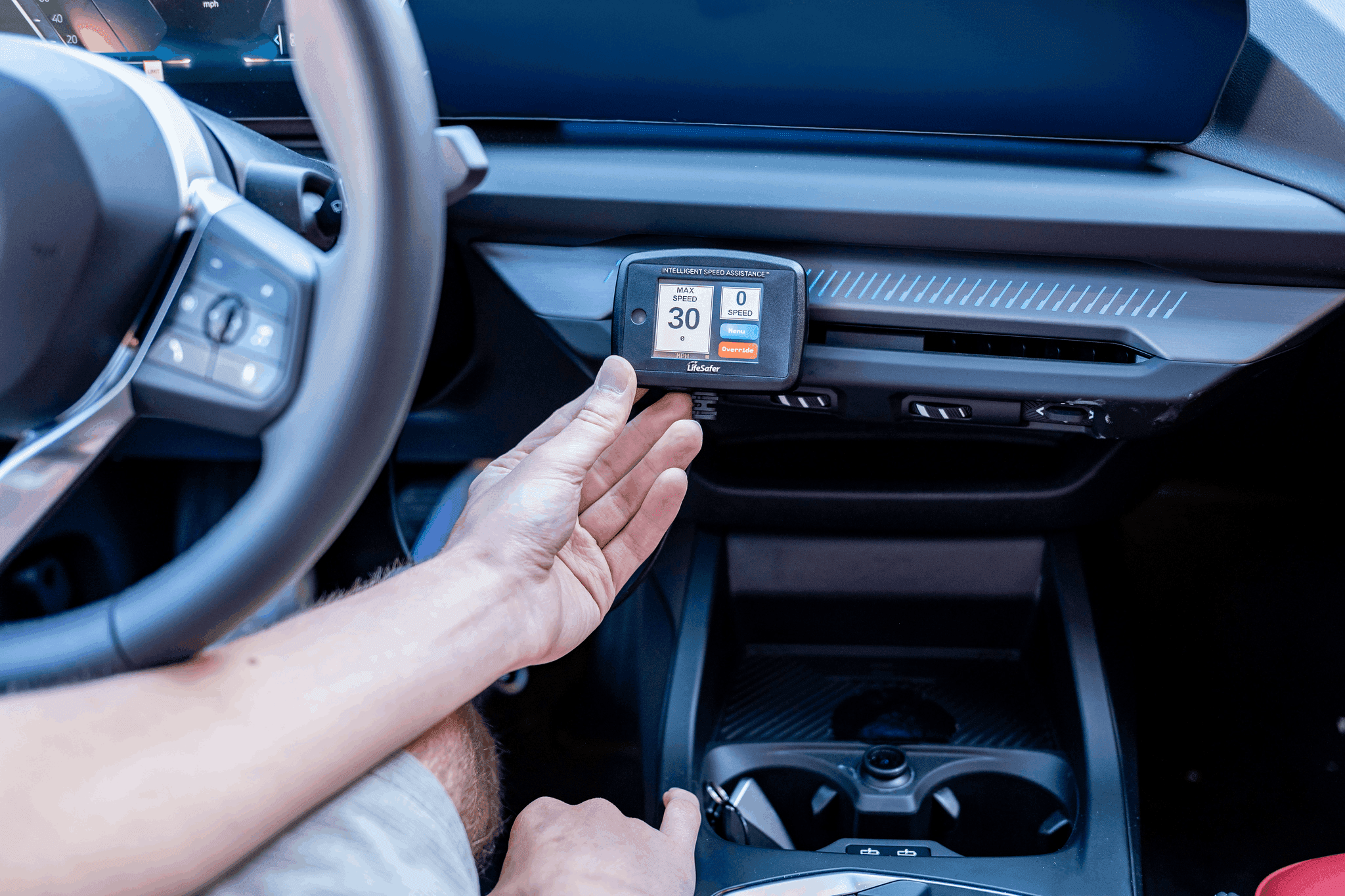
- GPS speed limiters (also known as “intelligent speed assistance devices”) are aftermarket vehicle safety systems that help prevent speeding before it becomes a problem. They use GPS and digital mapping to detect posted speed limits and enforce vehicle speed accordingly.
- Research shows strong public safety benefits of GPS speed limiters, including reduced crash severity and improved compliance with speed laws.
- GPS speed limiters have a wide range of practical solutions, including meeting state-based compliance for speeding-related traffic offenses, improving operational efficiency for fleets, and fostering safer driving habits for new drivers
Speeding remains one of the leading contributors to roadway fatalities worldwide, prompting policymakers and safety advocates to explore new proactive solutions.
Among the most discussed innovations today are GPS speed limiters, a form of speed prevention technology designed to prevent vehicles from exceeding safe or legal speeds by utilizing GPS and real-time speed limit data.
Research continues to support the use of GPS speed limiters as a road safety solution. Multiple studies published in Transportation Safety Research suggest that speed management technologies can significantly reduce crash severity and fatalities.
Additional findings from the Insurance Institute for Highway Safety (IIHS) indicate that a majority of drivers would accept anti-speeding technology if it improved safety outcomes. Meanwhile, research by the European Transport Safety Council on ISA (Intelligent Speed Assistance) highlights that it is a key tool in achieving long-term road safety goals - with life-saving potential.
Against this backdrop, understanding what GPS speed limiters are, how they work, and where policy is heading is essential for stakeholders invested in public health, transportation safety, and regulatory innovation.
What are GPS speed limiters?
GPS speed limiters (more commonly referred to as “intelligent speed assistance devices”) are vehicle-integrated systems that automatically limit how fast a car can travel, either through preset caps or real-time speed regulation based on posted speed limits.
When required by law, these systems ensure consistent compliance with speed regulations, making them a scalable solution for improving road safety outcomes.
What are the different types of speed limiters?
Today’s speed limiter technologies vary in complexity, functionality, and level of driver intervention. Below are the primary categories shaping the market:
Passive speed limiters
Passive systems notify drivers when they exceed a set speed, but do not physically restrict the vehicle the way ISA devices do.
How it works: Using onboard sensors or GPS data, the system alerts the driver via visual or auditory warnings.
Top speed limiters
Top speed limiters physically prevent the vehicle from exceeding a pre-set maximum speed. Top speed limiters are common in fleet vehicles.
How it works: The system caps acceleration once the speed threshold is reached, ensuring the vehicle cannot surpass it.
Active speed limiters / Intelligent Speed Assistance (ISA)
Active systems go a step further by limiting engine power or throttle response to prevent exceeding a predefined speed.
ISA represents the most advanced category of active speed limiter on cars, combining real-time data with smart technology.
How it works: Active ISA systems use GPS and digital mapping to detect posted speed limits and enforce vehicle speed accordingly – hence why they are sometimes referred to as “GPS speed limiters”.
What are the main benefits of GPS speed limiters?
As policymakers evaluate broader implementation, it’s important to understand the key benefits of GPS speed limiter systems.
- Improved road safety: Multiple studies from the Federal Highway Administration (FHWA) indicate the wide-ranging impact of addressing speed management within local communities.
- Public acceptance: Insurance Institute for Highway Safety (IIHS) surveys indicate many drivers are open to anti-speeding technologies if they improve safety outcomes.
- Proven efficiency within commercial fleet: Additional research from the Insurance Institute for Highway Safety (IIHS) has shown the meaningful benefits of equipping ISA technology within commercial fleets.
- Behavioral change: Consistent exposure to speed regulation encourages long-term safer driving habits, especially for new drivers.
Emerging speed management research and studies
Ongoing research is helping shape the future of speed management technology:
- Government research (USDOT): U.S. Department of Transportation (USDOT) publications highlight speed management as a critical pillar of roadway safety strategies.
- Government research (NHTSA): The National Highway Traffic Safety Administration (NHTSA) has published insights indicating the positive benefits Intelligent Speed Assistance can offer.
- Behavioral insights: Research from the University of California, Berkeley, indicates a direct link between lower speeds and reduced fatality risk.
- Insurance and safety studies: IIHS research reinforces the role of speed control in reducing crash frequency and severity.
- Nonprofit guidance: The Governors Highway Safety Association recently published a comprehensive guidebook for State Highway Safety Offices (SHSOs) to help support and advance the adoption of Intelligent Speed Assistance (ISA).
- Nonprofit advocacy: The Vision Zero Network has published numerous articles championing the effectiveness of Intelligent Speed Assistance (ISA) technology for national speed management.
Together, these insights suggest that GPS speed limiters are not just a trend, but a long-term shift in how road safety is managed.
Exploring speed limiter solutions and applications
Compliance
State programs focused on compliance use GPS speed limiters to help drivers meet legal requirements and maintain safe driving behaviors.
Fleets
Fleet operators benefit from consistent car speed control, reducing speed-related crash risk and improving operational efficiency.
Teen and New drivers
GPS speed limiters can help foster safer driving habits for teen and new drivers, reinforcing responsible behavior early on.
Learn more about GPS speed limiters and compliance
Ready to explore how speed limiters support safer roads and regulatory compliance?
Learn more about GPS speed limiters and ISA compliance.
Frequently Asked Questions
Are GPS speed limiters mandatory in the US?
GPS speed limiters like LifeSafer ISA are currently available for those who need them, including super speeders facing court or DMV mandates.
Can GPS speed limiters be turned off?
There is no “off” switch for active ISA devices. Depending on the program, some ISA users may have access to a temporary override option. In compliance-based or mandated scenarios, speed limiters cannot be disabled without violating legal requirements.
What does a mandatory speed limit mean?
A mandatory speed limit is a legally enforced maximum speed, often supported by technologies like speed limiters to ensure compliance.
What happens if I don’t comply with a speed limiter mandate?
Non-compliance can result in legal penalties, including fines or additional restrictions, depending on jurisdiction and program requirements.
How much does it cost to install a GPS speed limiter device?
Costs vary by system type and vehicle. Need a GPS speed limiter? Contact us.